
Driving & Racing Games · 30
Pole Position made qualifying laps, trackside billboards and a behind-the-car camera part of the early-1980s racing-game vocabulary. The player-facing version of the idea is simple: Early racing cabinets often used real wheels and pedals because the physical control itself was part of the attraction, not merely an input device. Racing games are excellent teachers of humility because the stopwatch has no interest in excuses.
← All folders
-
 Parking Perfection 3desktop · 7.201
 -
 Fireball 5desktop · 8.602
 -
 Risky Riderdesktop · 8.603
 -
 Stunt Mania 2desktop · 8.604
 -
 3D Motorbike Racerdesktop · 8.605
 -
 Automobildesktop · 7.406
 -
 Transporter 2desktop · 8.507
 -
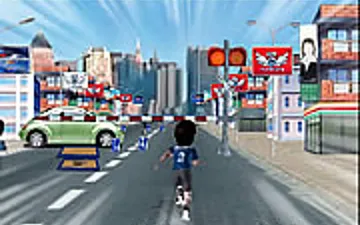 Crazy Runningdesktop · 8.508
 -
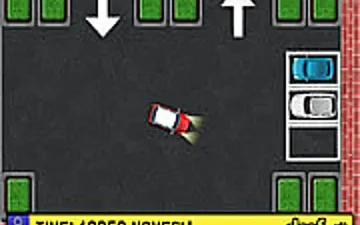 Parking Maddesktop · 6.909
 -
 Crazy Mammothsdesktop · 7.910
 -
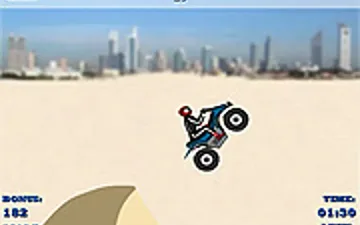 Dune Bashing in Dubaidesktop · 8.211
 -
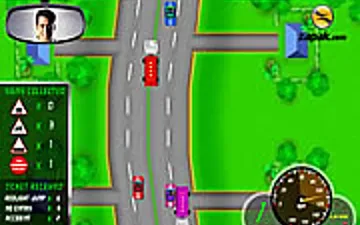 Safe Modedesktop · 8.712
 -
 Kangaroo Jack Four Wheel Chasedesktop · 8.113
 -
 TG Motocross 3desktop · 8.814
 -
 T-Rex Rampage: Prehistoric Pizzadesktop · 8.615
 -
 Bombay Taxidesktop · 8.416
 -
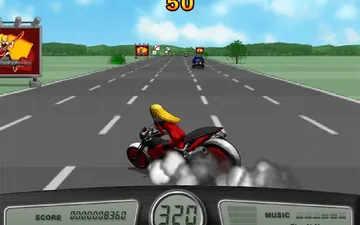 Heavy Metal Riderdesktop · 8.417
 -
 Rough Roadsdesktop · 9.018
 -
 The Parking Lotdesktop · 8.519
 -
 Pimp My Sleighdesktop · 8.720
 -
 Dragon Ball Kartdesktop · 8.621
 -
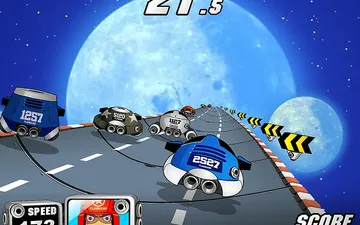 Star Racerdesktop · 8.622
Odd but true
The Indianapolis 500 was first held in 1911. The winning car averaged roughly 75 mph, a speed that sounds tame beside modern racing but was extraordinary for the machinery of the era. And this deserves a place in the same trivia drawer: Route 66 was established in the United States in 1926. It became such a symbol of road travel that it inspired songs, television, roadside attractions and generations of driving-game scenery.